


The Future of Smart Buildings Starts With a Shared Language
Semantic modeling offers a new way to connect building data and reveal clearer, more actionable insights about how systems perform.
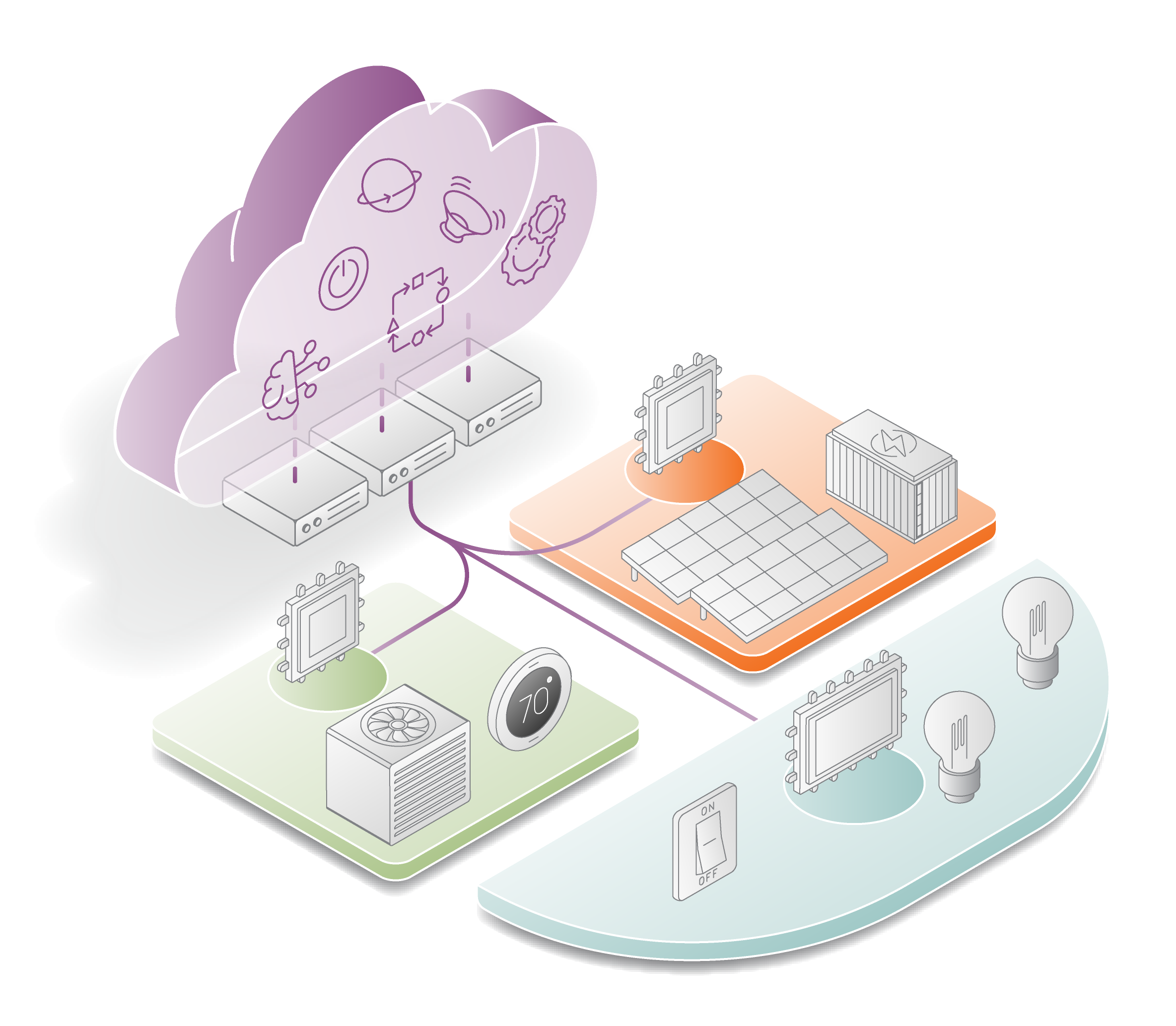
For years, the AEC industry has talked about digital twins and buildings that can “think.” Yet even with all the technology available today, building information is still surprisingly fragmented. Data lives in separate systems, equipment behaves in isolation, and operators spend considerable time stitching together clues to understand what’s actually happening.
At PAE, we believe buildings should work as integrated ecosystems, not a series of disconnected parts. That’s why our engineers have been collaborating with researchers at Pacific Northwest National Laboratory (PNNL) to advance an emerging approach that can bring clarity to complex systems: semantic models.
What is a Semantic Model?
A semantic model is a digital framework that defines not just equipment, but the relationships between systems: which rooms an air handler serves, how terminal units connect, how circuits route from panels to outlets, and how each piece of equipment is expected to behave.
By turning scattered data into a shared language, the model helps buildings describe themselves in a way that is machine-readable, consistent, and far more useful for analysis.
Why this Matters for Building Operations
1. Better diagnostics, rooted in system behavior
Typical analytics look for patterns but don’t fully understand how systems work. Semantic models use physics-based logic. If airflow doesn’t balance between an air handler and the terminal units it serves, the model flags a likely leak. If multiple rooms run warm, it knows to consider not just HVAC but electrical loads as well.
2. Insight across systems, not just within them
Warm rooms, unexpected energy spikes, and comfort issues often arise from interactions between disciplines. Semantic modeling reveals those connections instantly, reducing diagnostic time and improving system responsiveness.
3. Automated and more consistent commissioning
Commissioning is vital but highly manual. Because semantic models define expected behavior, they can help generate functional test procedures automatically, improving accuracy and preserving design intent at turnover.
4. Stronger continuity from design to operations
With emerging standards like ASHRAE 223P, semantic models allow Revit data to carry into controls integration and long-term operations. Years down the road, operators can trace a point back to its original design context. This is a key step toward practical, maintainable digital twins.
Looking Ahead
Semantic modeling is still an emerging approach, but its potential is becoming clear. By giving buildings a more connected understanding of themselves, these models make everyday decisions easier from diagnosing comfort issues to maintaining design intent years after occupancy.
PAE’s research with PNNL is helping advance a future where buildings are easier to understand, more predictable to operate, and better equipped to meet the performance and sustainability goals our industry is striving toward.